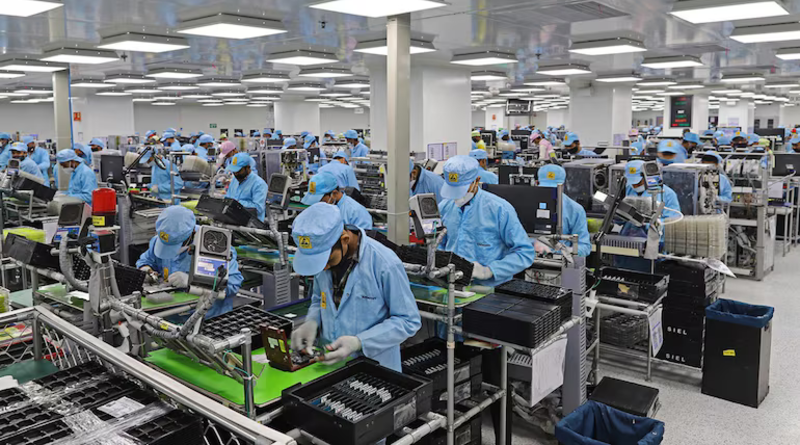
Govt. Approves 22 Proposals Under Electronics Component Manufacturing Scheme
Ministry of Electronics and Information Technology (MeitY) has approved 22 proposals with a projected investment of Rs. 41,863 crore. These approvals have been granted under the third tranche of the Electronics Component Manufacturing Scheme (ECMS).
These new approvals follow the clearance of 24 applications amounting to Rs. 12,704 crore under the previous tranches of the ECMS. Till now, the total investment value under all three tranches of the ECMS has reached a cumulative total of Rs. 54,567 crore.
What Is ECMS, and How Is It Different from PLI Scheme?
The Electronics Component Manufacturing Scheme (ECMS) is an incentive programme launched by the Ministry of Electronics and Information Technology in April 2025. The scheme targets to develop a robust electronics component manufacturing ecosystem by attracting investments.
Unlike the Production-Linked Incentive (PLI) schemes introduced earlier, incentives under ECMS are linked to turnover and employment generation rather than incremental production alone.
MeitY Target Products for Manufacturing Under Third Tranche of ECMS
In the third tranche, MeitY expects these approvals to generate a projected production output of Rs. 2,58,152 crore, while creating 33,791 direct employment opportunities. Further, 11 segment target products have been identified for manufacturing in this tranche. These products are divided into three categories: bare components, sub-assemblies, and supply chain items.
Of the three categories, bare components cover five products: Printed Circuit Boards (PCBs), Capacitors, Connectors, Enclosures, and Lithium-ion (Li-ion) Cells. The three sub-assembly products are Camera Modules, Display Modules, and Optical Transceivers, while the remaining three supply chain items include Aluminium Extrusion, Anode Material, and Laminate (Copper Clad).
These products have multiple applications across sectors such as mobile manufacturing, telecom, consumer electronics, strategic electronics, automotive, and IT hardware. MeitY has approved applications from various companies for the manufacturing of these products.
Applications Approved for Bare Components Manufacturing by MeitY
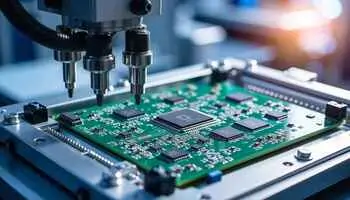
Manufacturing of PCBs and High-Density Interconnects (HDIs) (fundamental hardware for electronic devices) has been allotted to nine applicants out of the 22 approved proposals. The nine applicants are India Circuits Private Limited, Vital Electronics Private Limited, Signum Electronics Limited, Epitome Components Private Limited, BPL Limited, AT & S India Private Limited, Ascent-K Circuit Private Ltd, CIPSA TEC India Pvt Ltd, and Shogini Technoarts Pvt Ltd.
For the manufacturing of capacitors (a critical bare component for energy storage and power conditioning in electronic circuits), approvals have been granted to Deki Electronics Limited and TDK India Private Limited. Additionally, Amphenol High Speed Technology India Private Limited has also received approval for manufacturing high-speed connectors.
Additionally, Applications from Yuzhan Technology (India) Private Limited, Motherson Electronic Components Private Limited, and Tata Electronics Private Limited have been approved for the manufacturing of enclosures. These enclosures will be produced for mobile phones, IT hardware products, and other related devices.
Manufacturing of Li-ion cells has been allotted to ATL Battery Technology (India) Private Limited. The company will manufacture Li-ion cells for digital applications, which will serve as rechargeable energy storage units for consumer and industrial electronics.
Sub-Assemblies Manufacturing Undertaken by Three Companies
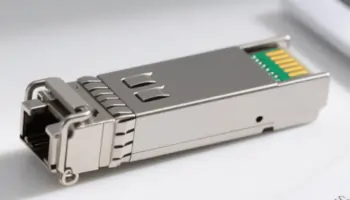
In the sub-assembly category, Dixon Electroconnect Private Limited has been approved for the manufacturing of Optical Transceivers (SFPs). Meanwhile, Kunshan Q Tech Microelectronics (India) Private Limited and Samsung Display Noida Private Limited have received approvals for the manufacturing of Camera Module and Display Module sub-assemblies, respectively.
Strengthening Electronics Manufacturing Supply Chain, Curbing Import Dependence
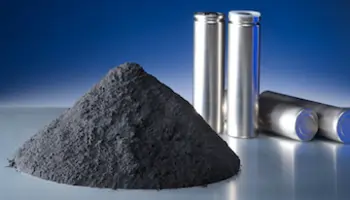
Additionally, to strengthen the electronics manufacturing supply chain, the application of NPSPL Advanced Materials Private Limited has been approved for manufacturing anode materials, which are essential for Lithium-ion cell production. Anode material is an important component for Li-ion cells as they dertermine the cell’s life and energy density.
Wipro Global Engineering and Electronic Materials Private Limited has received approval for manufacturing laminate (copper clad), a critical material used in PCB manufacturing, accounts for approximately 30% of the total cost of producing a PCB.
Hindalco Industries Limited will undertake the manufacturing of aluminium extrusions for mobile phone enclosures. Aluminium extrusion manufacturing in India marks a significant step, as it is currently 100% imported. Domestic production of such heavily imported materials will promote self-reliance and help curb import dependence.
India’s Foundation to Support Future Growth in the Electronics Sector
Mr. Ashwini Vaishnaw, Minister for Electronics and Information Technology, mentioned, “This programme has strengthened India’s electronics manufacturing ecosystem, enabling large portions of domestic demand to be met indigenously”. He further added that India will continue to have a young demographic profile in 2047 and is expected to grow until 2100, while the growth of many other economies may plateau by 2047. This reflects the need to lay a strong foundation to support and nurture future growth.
As of now, including the 22 approvals in the third tranche, under ECMS, a total of 46 applications have been approved across 11 states, generating a total of 51,000 direct employment opportunities. Going forward, such steps taken towards encouraging growth and domestic manufacturing in the electronics sector will result in a strong foundation and push the nation to be more self-reliant.