1,720 MW Kamala Hydro Project gets PIB Approval for Rs. 26,000 Cr. Investment
The Public Investment Board (PIB) has accorded approval for an investment of Rs. 26,069.50 crore for the development of the 1,720 MW Kamala Hydroelectric Project in Arunachal Pradesh. Earlier known as the Subansiri Middle Hydroelectric Project, the Kamala Hydro Project will be developed on the Kamala River, spanning across the Kamle, Kra Daadi, and Kurung Kumey districts of the state.
Kamala Hydro Project Structure and Development Framework
The Kamala Hydro Project will be implemented on a Build-Own-Operate-Transfer (BOOT) basis through a Joint Venture (JV) company. In the JV, NHPC Limited will hold a 74% equity stake, while the Government of Arunachal Pradesh will hold the remaining 26%. The Hydro project will require approximately 3,279 hectares of land for development.
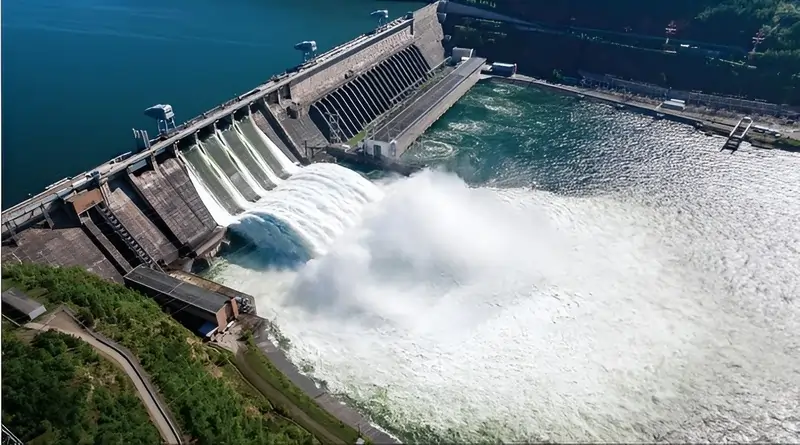
As per the environmental clearance granted for the project, the Kamala Hydroelectric Project has been designed to fulfil two primary objectives: power generation and flood moderation. To achieve these objectives, the project scope includes the construction of a 216-metre-high concrete gravity dam, along with a 15-metre cushion above the full reservoir level to facilitate effective flood moderation.
In addition, the project will feature an underground powerhouse housing eight power-generating units, each with a capacity of approximately 216 MW.
Notably, land acquisition for the project will involve a combination of private land, government land, and forest land. The Kamala Hydro Project is expected to be completed within a period of eight years from the commencement of construction.
Kamala Hydro Project: Regional Development Impact
Upon completion, the Kamala Hydroelectric Project will provide a substantial boost to India’s green energy ambitions. The project is expected to generate approximately 6,869.92 Million Units (MU) of renewable energy annually.
The Project is expected to generate around 300 direct employment opportunities and approximately 2,500 contract-based jobs during the construction phase. Beyond job creation, the project is anticipated to enhance infrastructure development in remote districts and improve electricity grid stability in the Northeastern region.